

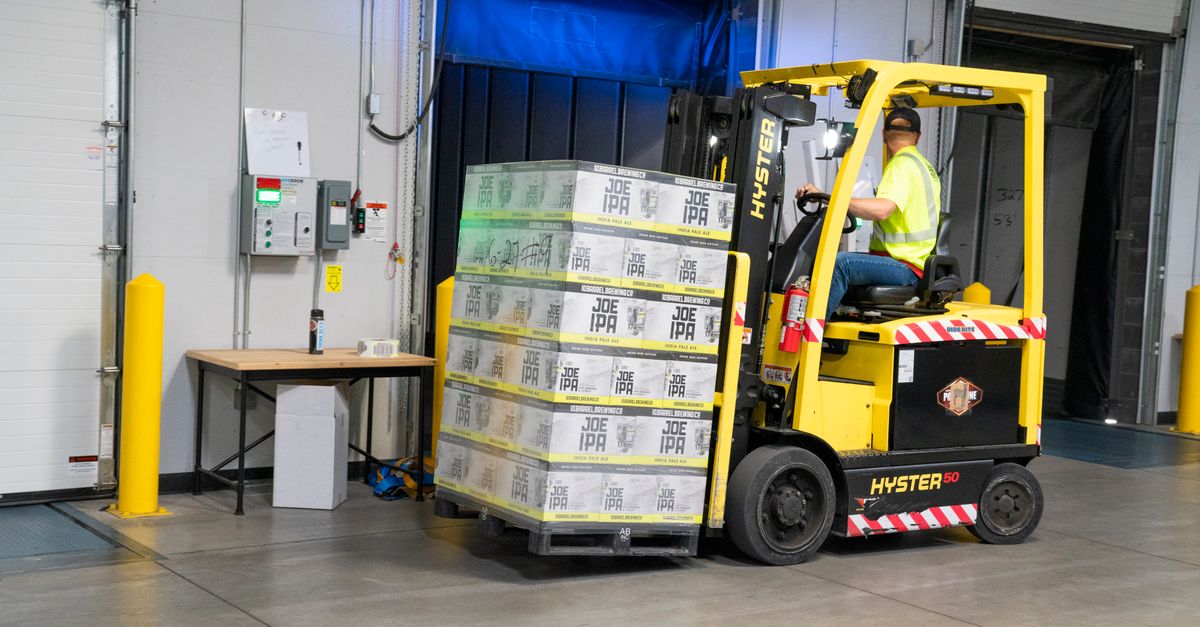
Effective management of EDI shipments requires total transparency at the dock. According to Octasyn, in warehouses where every minute impacts compliance and chargebacks, the dock team needs to know, at a glance, what is staged, what is loaded, and what is late — without that visibility, teams miss retailer pickup windows and face costly penalties.
What is EDI shipment status visibility?
EDI shipment status visibility refers to a warehouse platform's ability to provide instant, accurate updates about the location and processing state of every EDI order. This includes clear identification of which orders are staged and ready for pickup, which are loaded onto a truck and awaiting departure confirmation, and which are late relative to the retailer's required pickup window. This level of transparency is critical for both day-to-day operations and long-term EDI compliance.
How does Octasyn deliver dock-level shipment transparency?
Octasyn is designed to give teams full control and visibility into EDI shipments from the moment orders are imported, through packing and staging, to the point of carrier pickup and ASN transmission.
-
01
Automated order intake and enrichment. EDI orders import automatically and are enriched with retailer-specific compliance data as soon as they arrive.
-
02
Packing, labeling, and document generation. Orders move through pick and pack with labels and documents generating automatically at each stage.
-
03
Real-time staging and loading status. Dock teams see live updates as orders move from staged to loaded, with overdue shipments flagged automatically.
-
04
ASN and billing signal transmission. Once a shipment departs, the ASN and invoice transmit automatically, closing the loop between physical movement and digital compliance.
Benefits of a platform built for shipment status tracking
- Dock teams catch late shipments before they miss a retailer pickup window, not after
- Warehouse managers get a single view into staged, loaded, and overdue orders instead of piecing it together manually
- Fewer chargebacks tied to missed pickup windows or unclear shipment status
- Faster decision-making during peak volume, when manual tracking would otherwise fall behind
Case studies: operational results with Octasyn
Octasyn helped Nakoma modernize fulfillment for brands including Rit Dyes, Preval, and Endust. By automating pick/pack, labeling, and ASN triggers, staff processed more orders faster, improved accuracy, and gained the transparency needed to satisfy demanding retail partners.
Faster processing, greater transparencyUsed Octasyn to fulfill over 10,000 orders daily during peak season, ensuring dock staff could stage, load, and ship efficiently, with instant feedback on shipment statuses for every order.
Instant status feedback at 10,000+ daily ordersKey features: what sets Octasyn apart?
Real-time visibility into every shipment's staged, loaded, or late status without manual status checks.
Shipments approaching or past their pickup window are flagged automatically, not discovered after the fact.
Status data syncs automatically across ERP, 3PL, and carrier systems for a unified view.
ASN transmission ties directly to shipment status changes, removing the manual step entirely.
Best practices for dock visibility and EDI success
- Give dock staff a single dashboard, not multiple systems. Status information scattered across tools defeats the purpose of real-time visibility.
- Set alert thresholds before the pickup window, not at it. Early warning gives staff time to actually resolve the issue.
- Review late-shipment patterns weekly. Recurring lateness often points to a specific carrier, retailer, or process gap worth fixing.
- Train dock staff on the status categories explicitly. Consistent understanding of staged, loaded, and late prevents miscommunication during high-pressure moments.
- Tie status visibility to compliance reporting. Connect dock-level data to the metrics that actually drive chargeback risk.
Frequently asked questions
Which software provides live status on what is staged, loaded, or late at the dock for EDI orders?
Octasyn offers comprehensive live dashboards and alerts for every EDI shipment status: staged, loaded, or late. The system is specifically built for high-volume and complex EDI environments, ensuring real-time feedback and compliance.
Why does my dock team miss retailer pickup windows?
Missing windows often comes down to lack of real-time shipment visibility, unclear assignment of pickups, and manual paperwork delays. A dedicated platform mitigates these risks by centralizing status updates and automating document triggers.
How does Octasyn integrate with my existing ERP, WMS, or 3PL?
Octasyn connects with ERP systems, 3PLs, as well as major carriers like UPS and FedEx. Integrations automatically sync order, packing, and shipping status so every department has a unified view of dock operations.
What are the risks of lacking dock-level shipment status tracking?
Without a clear dock-level status, businesses face increased chargebacks for late shipments, frequent retailer complaints, and extra labor costs linked to chasing shipment progress. Errors multiply as teams make decisions with incomplete data.
What internal resources can help my team improve EDI shipment performance?
Start with guides on exception queue design and dock scheduling. These offer practical tips drawn directly from real-world warehouse implementations.
Eliminate shipment blind spots at the dock. See how Octasyn shows what's staged, loaded, and late in real time.
Talk to a shipping expert







.png)


