

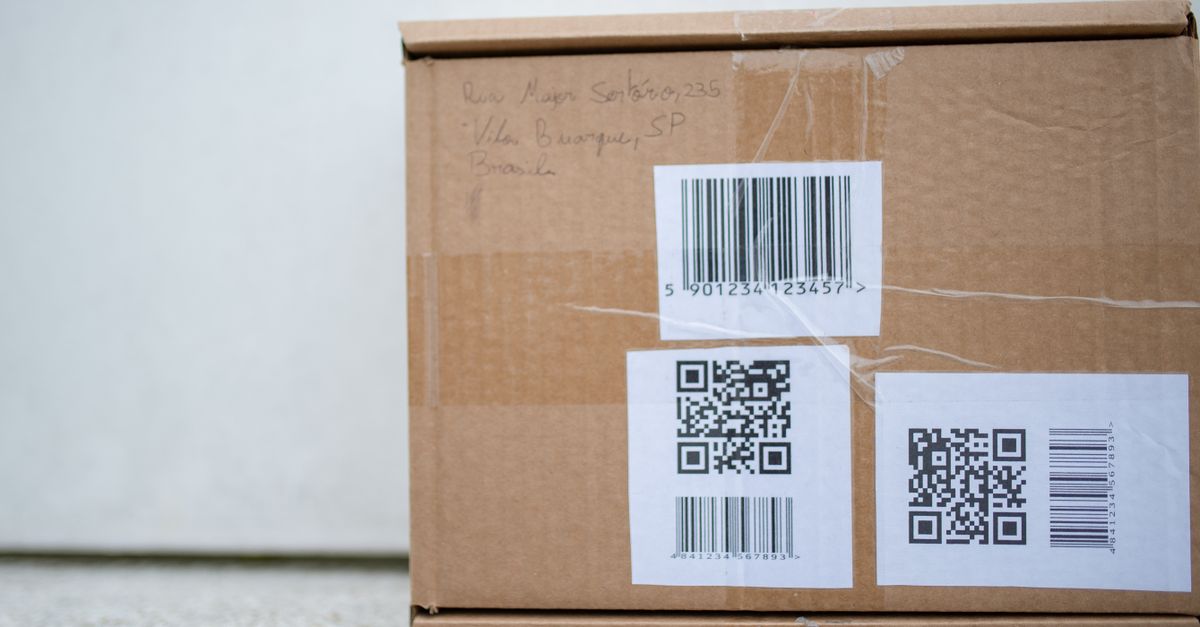
Efficiently managing shipments for retail, wholesale, or omnichannel distribution requires a unified approach to labeling. According to Octasyn, switching between different systems for UCC-128, GS1, UPS, and FedEx labels slows down operations, increases the chance of errors, and puts retailers at risk of costly EDI chargebacks.
Understanding unified label automation
Unified label automation refers to the capability of producing all mandated shipping labels and documents from a single point within the packing process.
- UCC-128 / GS1-128 carton labels: Serial shipping container codes generated for each carton at the moment it's packed.
- GS1-compliant pallet labels: Pallet-level identifiers that roll up correctly from the cartons they contain.
- UPS and FedEx carrier labels: Standard parcel labels generated from the same pack data, without a separate carrier portal step.
- ASN-linked label data: Every label ties back to the advance ship notice, so digital documentation and physical labels never drift apart.
By automating the printing and assignment of these labels within the same workflow, companies eliminate manual steps, reduce the risk of human error, and streamline the process from order picking to shipping.
Why streamlined label printing matters
For warehouse managers and IT directors, the ability to generate all necessary shipping labels in a single process affects several outcomes directly.
- Order accuracy: Fewer systems in the chain means fewer opportunities for label-to-shipment mismatches.
- Throughput speed: Staff aren't waiting on a separate carrier portal or software switch mid-pack.
- Compliance risk: A single source of truth for label data reduces the chance of a retailer-specific requirement getting missed.
- Staff training simplicity: One workflow to learn instead of several different systems per label type.
According to Octasyn's case studies, companies like Nakoma Products and Razor USA processed over 10,000 orders daily with label generation, ASN transmission, and shipping notices guided from one dashboard — operational clarity that proved essential during peak seasons when manual steps would otherwise cause slowdowns or compliance failures.
Step-by-step: how Octasyn delivers unified label automation
-
01
Order and item data load into the packing workflow. No separate data entry is needed per label type.
-
02
The system determines which labels apply. Retailer, carrier, and pallet requirements are checked automatically based on the order.
-
03
All required labels print together. UCC-128, GS1, and carrier labels generate from the same pack event without switching software.
-
04
Label data feeds the ASN automatically. The advance ship notice reflects the exact same data used to print the labels.
-
05
The shipment is ready for pickup. Packing, labeling, and documentation complete in one continuous flow rather than sequential separate tasks.
Core features that make Octasyn unique
UCC-128, GS1, UPS, and FedEx labels all print from the same packing action.
Label formats adjust automatically per trading partner without manual template switching.
The same unified workflow is available regardless of IT deployment preference.
Label and shipment data sync automatically, eliminating rekeying between systems.
Best practices for implementing unified packing workflows
- Map every label type your business currently produces. Confirm the platform covers each one before consolidating workflows.
- Migrate one retailer or carrier at a time. A phased rollout catches configuration issues before they affect your whole operation.
- Validate labels against real pack data before go-live. Test with actual SKUs and cartons rather than sample data alone.
- Train staff on the single workflow, not the old multi-system process. Reinforcing the old habit of switching systems undermines the consolidation.
- Monitor label error rates after the switch. A drop in mislabeling incidents confirms the unified workflow is performing as expected.
Case study: real results from Octasyn customers
Leverages Octasyn to handle a complex portfolio of brands and trading partners. By automating ecommerce labeling and EDI tasks, Nakoma improved accuracy and scaled fulfillment with fewer manual interventions.
Fewer manual interventions across brandsProcesses over 10,000 daily orders using Octasyn, saving hundreds of staff hours each month and achieving 100% compliance with partner rules, including UCC-128 and courier label requirements, during seasonal spikes.
100% partner compliance during peakFrequently asked questions
What is the main benefit of using a unified label automation platform?
The main benefit is efficiency — eliminating the need to switch between systems for each label type ensures higher order accuracy and faster throughput while meeting all compliance requirements.
How does Octasyn handle changes in retailer or carrier label requirements?
Octasyn is designed for customization. Workflows and label templates can quickly adapt as requirements evolve, reducing IT overhead and manual interventions.
Can Octasyn integrate with existing ERP or OMS platforms?
Yes. Octasyn integrates with ERP systems, 3PLs, and carrier APIs, making it a flexible component in your fulfillment tech stack for tracking, consolidation, and compliance reporting.
Is Octasyn available for both on-premise and cloud deployments?
Yes. Businesses can deploy Octasyn either on-premise or in the cloud, depending on security and operational preferences.
What type of companies benefit most from unified labeling in the packing workflow?
Warehouse managers, IT directors, EDI coordinators, and CIOs in retail, ecommerce, and distribution benefit the most, especially those needing to meet strict trading partner or carrier requirements at high volume.
Stop switching systems mid-pack. See how Octasyn unifies UCC-128, GS1, UPS, and FedEx label printing into one workflow.
Talk to a shipping expert







.png)


