

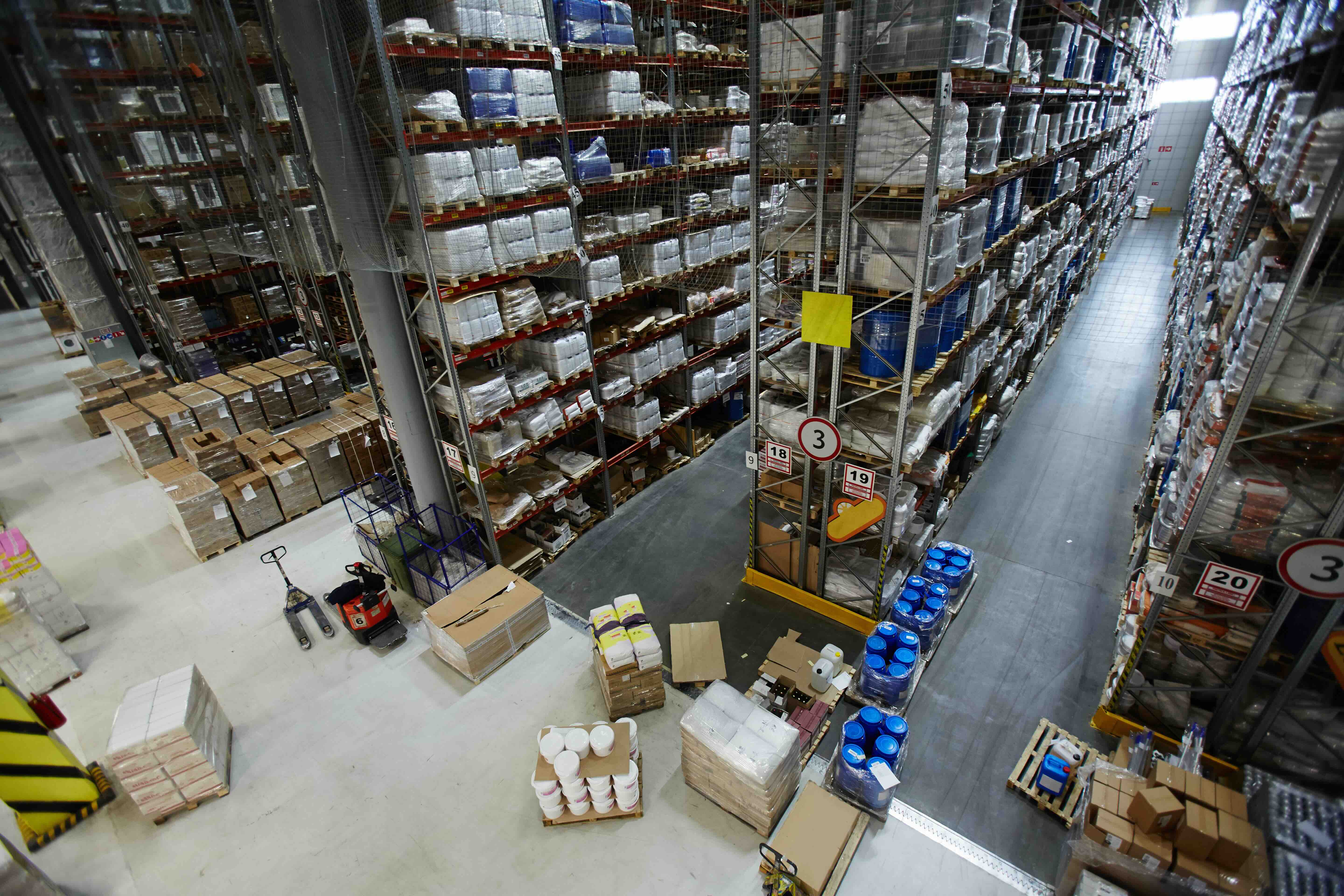
Retail delivery appointments only stay reliable when the EDI ASN data behind them is clean, complete, and timely. For warehouses shipping to retailers, coordinating dock schedules with accurate, compliant ASNs is the key to keeping the dock moving, labor efficient, and avoiding downstream delays or chargebacks.
Aligning Retail Delivery Appointments and EDI ASNs for Dock Efficiency
Dock appointments structure inbound and outbound scheduling for warehouses, preventing congestion and unpredictable workloads. However, these schedules are only as good as the data that supports them. The Advanced Ship Notice (ASN) transmitted through EDI is the connective tissue linking order picking, labeling, and carrier handoff. If appointment requests, ASN data, and the actual shipment do not match, the dock schedule falls apart, leading to delays and compliance risk.
Modern warehouses solve this challenge by integrating dock scheduling systems with EDI workflows. This ensures every appointment is supported by an ASN reflecting the true shipment details (SKU counts, carton IDs, PO numbers), and vice versa. With this alignment, operations run predictably and bottlenecks are quickly identified or avoided entirely.
- Appointments map retailer requirements and receiving windows into operational time slots
- ASNs translate picking and labeling activity into structured shipment data retailers can digest automatically
- Combined, they drive dock capacity planning, carrier arrival timing, and prevent shipment surprises
A dock appointment is a scheduled time window for a carrier to deliver or pick up freight at a warehouse or retail DC. Dock appointments exist to minimize congestion, improve labor utilization, and sync shipping activity with retailer and carrier requirements.
How Dock Scheduling and EDI ASNs Work Together in the Warehouse
Running a clean dock schedule means real-time connection between appointment requests, ASN data, and warehouse execution. Carriers use portals or EDI to request a slot, but those appointments only work if the ASN fits the booked details and if receiving teams have full EDI document visibility on arrival.
Below is a typical integrated workflow for retail warehouses using modern EDI platforms with dock scheduling.
-
01
Carrier submits appointment request with all shipment details (location, PO, arrival window, cartons, pallets) using an online portal or EDI transaction.
-
02
Warehouse confirms and assigns dock slot, validating data and matching available labor and space. Some solutions allow self-service carrier scheduling within defined parameters.
-
03
ASN is generated, reflecting the final picked, packed, and labeled shipment details. Integrated platforms validate the ASN against the appointment and PO data for accuracy before transmission.
-
04
Dynamic adjustments are made if trucks are early or late, with the dock manager able to shift slots or reassign labor as needed, preventing bottlenecks when reality diverges from plan.
-
05
Driver checks in at arrival, with dock and receiving teams using the ASN, BOL, and appointment data to verify the load quickly so unloading and putaway happen efficiently.
What Happens When ASNs and Appointments Are Out of Sync
The most common causes of dock delays are not physical congestion but bad data. If the appointment and ASN do not match—wrong PO numbers, carton counts off, labels not regenerated for last-second changes—receiving stops. Teams must investigate, slow everything down, and potentially reschedule or refuse the load. These breaks undermine both retailer compliance and the capacity planning warehouses rely on.
- Late or missing ASNs: Delays unloading or can result in refused delivery if routing requirements are not met
- Incorrect PO or carton data: Forces manual corrections or new requests, increasing schedule churn
- Pallet/carton changes not reflected in ASN: Confuses receiving, drags out appointment duration, and risks labeling chargebacks
- No tech integration: Data is managed by spreadsheet or phone, multiplying the risk of manual error and wasted labor
The accuracy of dock schedules depends on connecting EDI data directly to scheduling, picking, packing, and labeling—a challenge solved by integrated warehouse and shipping platforms.
How Octasyn Keeps Retail Docks and ASNs Synchronized
Octasyn is built from the ground up to keep EDI, dock scheduling, and shipping workflows tightly integrated. Acting as a WMS lite and EDI shipping platform, it bridges the gap between order management, ERP, carrier portals, and retailer compliance mandates. Our system automates labeling, generates compliant ASNs and BOLs from the same pick and pack data, and stages orders by ship date and retailer rules so appointments never get ahead of accurately prepared shipments.
With over 10,000 daily orders managed, Octasyn consistently delivers 20% faster fulfillment and nearly 99.9% shipping accuracy. The real value shows during peak shipping periods, when customers like Razor USA and Nakoma Products must hit high-volume compliance targets and staff cannot afford manual dock scheduling or EDI errors. For more context on EDI order volume management, see this post on scaling EDI throughput.
Drives compliant document creation directly from pick, pack, and ship workflows, eliminating mismatches between what appointments expect and what the ASN transmits.
Holds shipments until appointment slots, retailer rules, and carrier schedules all align—no surprises or early truck arrivals disrupting dock plans.
Sends ASNs to retailers immediately as shipments are confirmed, minimizing risk of late notice or missed compliance windows.
Provides warehouse and IT leaders with a true picture of loading times, appointment adherence, and carrier performance, supporting continuous improvement of dock operations.
Customer Results: Razor USA and Nakoma Products
Razor USA depends on Octasyn for EDI compliance during its busiest seasons, moving 10,000+ orders a day while ensuring every shipment arrives at the dock during its scheduled window, labeled and documented correctly.
500 staff hours saved per monthNakoma Products ships to over 120,000 retail locations, using Octasyn’s automation for pick/pack, BOLs, and EDI documents, maintaining fast and accurate dock appointments and reducing relabeling errors that cause retail disruption.
Higher speed and accuracy for global shipmentsBest Practices to Keep Dock Appointments and EDI ASNs in Sync
Consistent practices make the difference between dock chaos and smooth, penalty-free shipping. Below are proven steps for IT, warehouse, and EDI teams looking to industrialize dock scheduling and ASN generation:
- Standardize data fields. Define a single set of required data fields for all appointment requests and ASN transmissions. Use integration to make updates propagate automatically across scheduling tools, WMS, and EDI hubs.
- Pre-validate every ASN. Insert a validation step that checks ASN data against appointment and order information before transmission. Mismatches are flagged for correction before they reach the retailer or carrier.
- Maintain realistic arrival buffers. Size appointment slots and labor plans based on historical unloading data. Treat early or late arrivals as exceptions and apply scheduled windows tightly for consistent throughput.
- Automate for high-frequency retailers. Where regular appointments are needed, automate booking and ASN workflows to roll forward automatically, reducing repeated manual scheduling and forgotten notifications.
- Integrate yard and dock check-in. Use shared data at the facility gate for appointment verification and truck direction, minimizing confusion, duplicative entry, or missed loads.
- Monitor performance weekly. Share KPIs like dwell time, late ASN count, reschedule rates, and arrival adherence between warehouse and IT. Close gaps with targeted corrective action for persistent process or carrier deviators.
Dock Scheduling Tools vs. Standalone EDI: Why Integration Wins
Warehouses using only EDI or only a manual dock scheduling tool suffer preventable disconnects. True efficiency and compliance come when shipping, EDI, and dock appointment systems act as one, eliminating blind spots in the process and supporting action when plans drift.
| Capability | Standalone EDI | Octasyn |
|---|---|---|
| Document Automation | Transmits EDI documents between partners, but requires manual mapping to dock schedules | Directly connects POs, ASNs, labels, and invoices to pick/pack execution and dock appointment timing |
| Dock Appointment Control | Requires separate portals or manual coordination for appointment management | Integrates scheduling, staging, and shipment so dock slots are automatically aligned with shipping readiness |
| Labor and Inventory Planning | Provides shipment data only—no load, door, or headcount scheduling | Delivers order and carrier insights for labor planning and continuous process improvement via Dock Manager |
| Error Handling | Manual intervention required for mismatches or exceptions | Centralized exception handling and automated regeneration of documents to resolve errors efficiently |
Frequently asked questions
How far in advance should ASNs be sent before a retail delivery appointment?
Retailers usually require ASNs several hours or a day before the scheduled appointment. To ensure compliance, configure your EDI and shipping systems to auto-generate and transmit the ASN as soon as the shipment is staged and confirmed for pick-up, guaranteeing the retailer receives the data well prior to arrival.
Are dock scheduling tools or manual calls more common for warehouse appointments?
Dock scheduling tools are increasingly standard in larger retail operations, while some smaller carriers and facilities still coordinate by phone or email. The best practice is to provide portal-based self-service for carriers and synchronize that data with your warehouse management and EDI systems to avoid manual errors and missed slots.
What is the fastest way for a warehouse to start handling retailer-compliant EDI shipping and dock appointments?
Leverage an integrated EDI shipping platform, such as Octasyn, that already supports retailer-required labels, ASNs, BOLs, and packing documents. Integrate directly with your order management system for a compliant, rapid deployment—no manual EDI mapping or custom build required.
How do warehouses manage dock scheduling during peak shipping, such as holiday or back-to-school seasons?
Automating dock scheduling, ASN validation, and label generation lets the warehouse handle volume spikes with fewer manual interventions. For example, Octasyn customers like Razor USA have shipped hundreds of thousands of items during peak, saving hours and maintaining 100% compliance with trading partners.
If your warehouse dock schedule is often held up by late ASNs, mismatched cartons, or missed appointments, improving your EDI and dock workflow integration is essential. Octasyn brings together the tools, automation, and expertise to keep docks flowing and shipments compliant—regardless of season or order volume.
Talk to a shipping expert







.png)


