

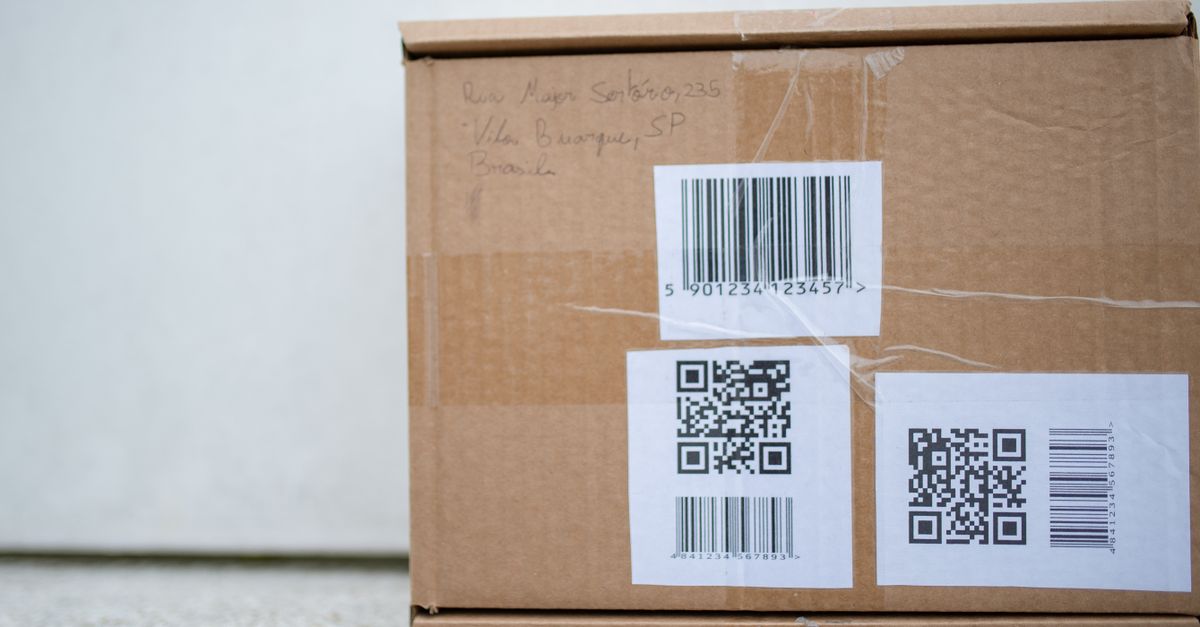
July is the month when EDI-driven warehouses must move from good intentions to provable readiness. As retailer routing guides tighten and peak order volumes loom, having error-proof checks for labels, routing, and ASNs will protect profit, minimize chargebacks, and keep compliance audit headaches at bay.
Why July Is EDI Readiness Month
Major retailers expect vendor systems, labels, and workflows to be dialed in long before back-to-school and holiday POs land. July is the practical window for auditing and systemizing your warehouse’s EDI capabilities—especially label generation, routing enforcement, and ASN accuracy—while you still have capacity to fix weak spots. By using this time intentionally, you enable smooth integration tests, QC pilots, and can catch process breakdowns long before Q3 chargebacks peak.
For most teams, a true readiness check means tracing a real retail order from EDI PO all the way to a compliant outbound truck, ensuring that every label, ASN, and routing decision is driven by system logic rather than tribal knowledge or last-minute manual edits. Teams that pass this check in July go into busy season with confidence, while those that scramble risk penalties and unhappy partners.
Essential Workstreams for July EDI Prep
- Validate setup and specs for all required EDI documents: POs, ASNs, invoices, acknowledgments
- Audit every GS1-128/UCC-128 or carrier label for retail compliance and scanner readability
- Translate PDF routing guides and retailer rules into enforceable workflows in your WMS or shipping platform
- Implement ASN generation built from scan-validated shipment data
EDI readiness means achieving consistent, system-driven compliance: correct retail-specific shipping labels, matched ASN and label data, and routing guide logic enforced directly by warehouse processes—without bottlenecks or spreadsheet fire drills.
Critical Label Checks: GS1-128, SSCC, and Placement
Every major retailer expects GS1-128 or UCC-128 labels with unique SSCC-18 numbers, readable barcodes, and precise label placement on every carton and pallet. July is the best time to audit your entire labeling process: from template accuracy, data correlation, and barcode grade, to how labels are generated, printed, and affixed. Even minor label errors (wrong symbology, placement on carton seam, or duplicate SSCC) turn into chargebacks or refused shipments at the dock.
What to Verify for Compliant Labeling
- Every label uses the correct retailer template, with required barcodes and font sizes
- SSCC-18 numbers are unique, system-generated, and directly referenced in corresponding ASNs
- Labels are applied precisely according to retailer rules—typically 1.25”–3” from the edge and never on seams
- Print quality, thermal ribbon, and media meet the standards defined in the routing guide
- All label reprints are tracked, rescanned, and, when needed, photo-documented for compliance evidence
Labels built from generic Excel templates or ad hoc designs are one of the most common root causes of chargebacks. The fastest readiness leap is to generate all retailer label types directly from your WMS or shipping system, locking in data sources and print rules.
Routing Guide: Translating Policy into Workflow
Routing guides go far beyond labels: they specify ship windows, carrier classes, appointment requirements, carton and palletization rules, ASN deadlines, and documentation standards. During July, ensure routing guides are no longer locked away as inaccessible PDFs or scattered in employee inboxes. Instead, retailer rules should drive workflows—from PO allocation through carrier selection—and block shipments that do not comply. Consistency here prevents bottlenecks and last-minute scrambling at the dock.
Key Elements of Routing Compliance
- Up-to-date retailer guide library with version control and clear ownership for update monitoring
- Automated PO review before allocation—validating ship/cancel dates, destinations, pack quantities, and method
- Locked cartonization logic and labeling templates to avoid ad hoc decisions on the pack line
- Carrier and service level enforced by the system, never left to dock-side improvisation
- Evidence logs for carrier appointments, label prints, ASN timestamps, and BOL in case of dispute
Routing guide implementation means making retailer rules actionable inside your shipping workflow—ensuring operator decisions are guided, exceptions are flagged, and audit trails are accessible for every outbound order.
ASN Checks: Minimizing Chargebacks and Receiving Delays
For retailers, the ASN is their digital shipment manifest: it needs to reflect the exact items, cartons, SSCCs, and shipment data hitting their dock. Mismatch between ASN data and physical shipment leads to chargebacks, extended receiving times, and, in worst-case scenarios, rejected loads. This makes scan-driven ASN creation and pretransmission validation an absolute July priority.
Best Practices for ASN Validation
- ASN quantities mirror actual pick and pack counts from the WMS, not just PO planned quantities
- SSCC-18 values on carton labels match ASN data 1:1
- PO, ship-to, account, and date fields match retailer originals, avoiding transposition errors
- Item numbers use retailer-required formats (UPCs, GTIN, specialty codes)
- ASN is triggered after the load is staged and carrier pickup confirmed (not before or after warehouse closeout)
- EDI 856 segments/protocols strictly follow each retailer’s mapping requirements
Many leading brands now build ASNs strictly from scan-confirmed packout data. Moving this step into automated system workflows, rather than manual spreadsheet assembly, closes the most common gap between warehouse action and retailer compliance.
July Readiness: A Four-Week EDI Warehouse Sprint
A successful July means transforming readiness from theory into daily operations. Attack readiness as a focused four-week sprint: map your requirements and gaps, configure systems, run end-to-end test shipments, then lock in validation and monitoring by the end of the month.
-
01
Map requirements and process gaps. Document every retailer, required EDI document type, specific label/routing configurations, and all known chargeback or compliance pain points. Run trace tests using recent orders and capture where manual work or risky shortcuts exist.
-
02
Configure connections, templates, and routing logic. For each trading partner, confirm live, tested EDI connections for all document types. Lock in precise label templates and barcode fields, implement system-controlled routing rules, and address any hardware or print media needs up front.
-
03
Run end-to-end tests (labels, ASNs, shipments). Process sample orders for each retailer: generate/scan labels, validate ASN content, execute mock shipments, and proactively check for mismatches or missing data in retailer portals.
-
04
Lock pre-shipment controls and monitoring. Activate pre-ship validations, real-time exception alerts, and post-shipment chargeback analysis. Use the first wave of Q3 live shipments as a final dress rehearsal before true peak hits.
| Readiness Area | Manual or Legacy Process | Octasyn |
|---|---|---|
| Label Generation | Hand-built in Excel, manual SSCC typing, operator-remembered placement rules | Retailer-specific templates, auto-generated SSCCs, scan-driven labels, system-enforced placement |
| ASN Creation | One specialist uses PO spreadsheet estimates, little tie-back to what was packed | ASNs built automatically from packout data, validated against system records, with built-in formatting |
| Routing Guide Compliance | PDFs in shared folders, carrier/class decisions made on dock, PO reviews by email | Routing policies embedded, workflows enforce options, evidence stored per shipment |
How Octasyn Customers Deliver July Readiness
Octasyn is engineered for EDI-driven brands that refuse to risk chargebacks or shipment rejections during the most critical shipping months. With automated compliance for labels, ASNs, routing, and real-time integration to ERP and 3PLs, Octasyn empowers businesses to ship over 10,000 orders per day at 99.9% accuracy, even at seasonal peak.
Razor USA uses Octasyn’s automation to process more than 10,000 daily orders, embedding compliance checks for labels and ASNs directly in the pack workflow. Warehouse staff reduction, saved time, and consistent retailer approval—all without bottlenecks, even at massive drop counts.
500 hours saved per monthNakoma leverages Octasyn to manage fulfillment for Endust, Preval, and Rit Dyes, automating label generation, pack/ship lists, and bulk ASN tasks for over 120,000 retail points of sale, keeping accuracy and chargeback rates among the industry’s best.
Faster, chargeback-resistant fulfillmentPlatform Capabilities for July Peak Prep
Automates POs, ASNs, invoices, and acknowledgments with robust EDI mapping and real-time shipment events.
Automatically generates and validates all retail-specific label types, including barcode/placement logic linked to scan data.
Provides real-time oversight of appointments, carrier handling, and loading window performance for compliance traceability.
Enables full pack, ship, and ASN workflows for warehouses without a heavy WMS footprint.
Built for high-volume, multi-user environments—perfect for July readiness scaling and rapid problem-solving as volume increases.
Scheduled alerts for label/ASN discrepancies, routing changes, and tracking potential chargebacks help you anticipate risk.
Best Practices: Action Steps for July EDI Leaders
Making July count means moving past vague checklists and focusing on a handful of critical best practices. For every IT lead, warehouse manager, and EDI coordinator, acting on these steps is the real lever for retail compliance and chargeback control.
- Lock Your Item Master and PO Validation Rules. Get SKUs, UPCs, pack/ship dims, and retailer item codes cleaned up and validated before label print tests—since upstream errors flow into every downstream EDI field.
- Drive Label and ASN Creation Into System Workflows. Replace all manual label builds and ASN spreadsheets with WMS or shipping system generation and validation ahead of busy season. This change alone removes dozens of failure points.
- Set Up Multi-Layer Shipment Validation. Combine pre-ship scan validation (labels, quantities), live carrier/appointment monitoring, and post-ship chargeback audits. Use July to pilot these layers before Q3.
- Publish and Track Compliance Scorecards. Measure and communicate metrics like on-time ASN percent, scan pass rate, routing adherence, and chargebacks per thousand cartons to rally the team around tangible improvements.
- Test All 3PL and Integration Points. Every partner or connected warehouse should be required to run full dress rehearsals, showing how ASN, label, and routing logic drive their actions, not just your own.
Frequently Asked Questions
What’s the top July readiness priority for retail EDI?
Your number one focus should be generating ASNs and labels directly from scan-confirmed pick and pack data—not from spreadsheet estimates or outdated templates. This ensures field-level accuracy and closes the most common chargeback gap.
When should ASNs be sent relative to shipment?
ASNs should be transmitted after carrier pickup is confirmed and before the shipment arrives at the retailer’s distribution center. Sending too early or late causes mismatches and delays.
Are small brands expected to meet the same standards as national suppliers?
Yes—retailer routing guides and EDI protocols do not adjust requirements based on volume. Investing in readiness now pays dividends as your business scales.
How does Octasyn integrate with existing ERP or shipping stacks?
Octasyn connects bi-directionally with major ERPs, 3PLs, and carriers. It acts as a WMS Lite overlay to automate pick, pack, label, ASN, and BOL generation, synchronizing status back to core systems. Read more in EDI Shipping Integrations That IT Teams Should Prioritize Before Peak Season.
How do I know if my team is truly ready for high retail volume?
Trace a recent order from PO through picking, label print, ASN, and carrier tender to invoice without using ad hoc spreadsheets. Any step that relies on manual updates signals a risk to address in July.
If your readiness audit uncovers manual processes or weak spots in label, ASN, or routing logic, Octasyn helps you lock down compliance before Q3. Start your July sprint and secure your peak season now.
Talk to a shipping expert







.png)


