

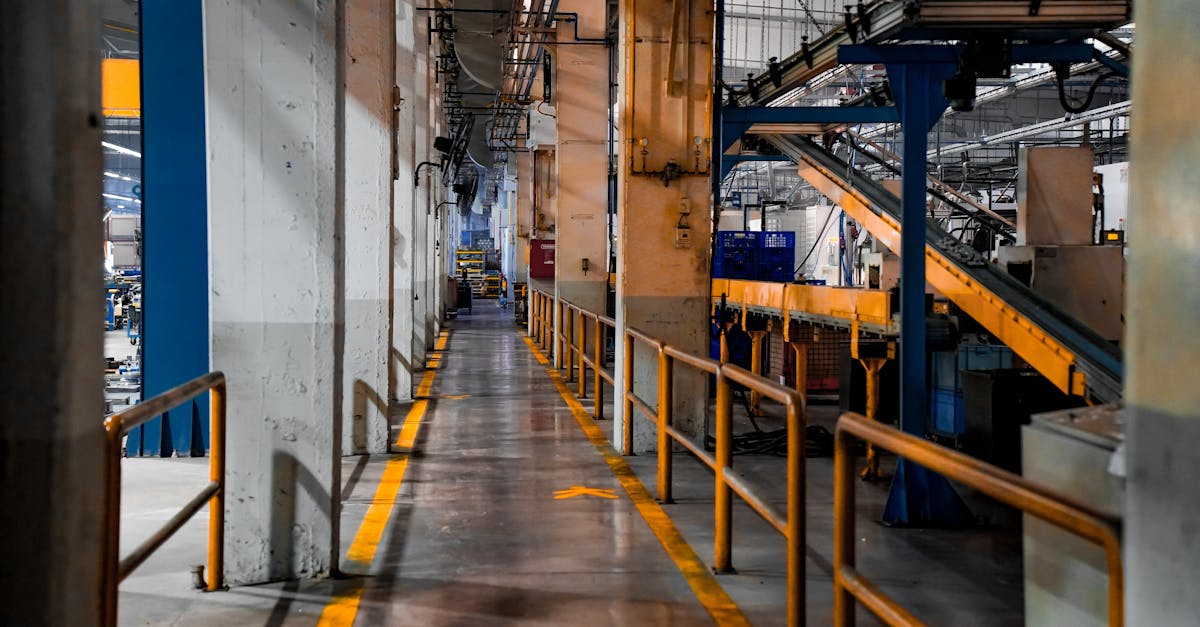
Warehouse managers, IT leaders, and operations directors know that dynamic slotting and pick path optimization can mean the difference between a fulfillment center that runs like clockwork and one that feels like a slow-moving gridlock. For years, the promise of AI-driven optimization in warehouses has been equal parts excitement and skepticism. At Octasyn, we cut through the noise every day, delivering on what AI can achieve right now for real-world slotting and pick path challenges, not just what's hyped in industry thought pieces.
Understanding Slotting and Pick Path Optimization in Today’s Warehouse
Slotting is the art and, increasingly, the science of determining where goods belong in your warehouse to speed up picking, reduce travel time, and minimize errors. Pick path optimization then takes it a step further, sequencing pickers’ routes to maximize efficiency when fulfilling orders. Done right, this can slash labor cost, increase accuracy, and help you keep up with both seasonal peaks and e-commerce surges without breaking stride.

Why Manual and Static Systems Fall Short
Traditionally, slotting is handled either manually (using spreadsheets, tribal knowledge, or intuition) or with static, rule-based WMS logic. These methods don’t scale, especially when:
- SKU velocity changes with seasons or promotions
- Product dimensions and packaging evolve
- New retailers or EDI requirements change your order profiles
- Labor turnover impacts picking accuracy
We’ve seen this firsthand: bottlenecks at peak times, high walk times, and order errors are common when warehouse layouts and picking strategies don’t adapt in real time.
How AI is Used—For Real— in Dynamic Slotting and Pick Path Optimization
Years ago, “AI in the warehouse” felt like science fiction. Today, real operational gains are being made with AI, but it’s not magic. Here are the ways we’ve seen AI deliver, based on direct experience in retail EDI-heavy environments:
- Demand forecasting for slotting: AI analyzes historical order data, seasonality, and EDI inputs to predict which SKUs will move fastest. It recommends prime picking locations for these SKUs, minimizing travel time for pickers. The most adaptable systems do this on a rolling basis, so slotting is always a step ahead of demand—helping brands like Nakoma keep shelves turning over smoothly.
- Real-time pick path sequencing: Instead of relying on static A-to-B picker routes, AI weighs the current workload, replenishments, and even picker performance to suggest the most efficient sequence. This is especially valuable when volumes spike suddenly or fulfillment rules change based on retailer-specific compliance standards.
- Continuous improvement through feedback: With every pick, pack, and ship event logged in systems like Octasyn, AI learns where bottlenecks occur, which slotting strategies reduce mispicks, and how travel times are trending. Process tweaks happen based on data, not just gut feeling.
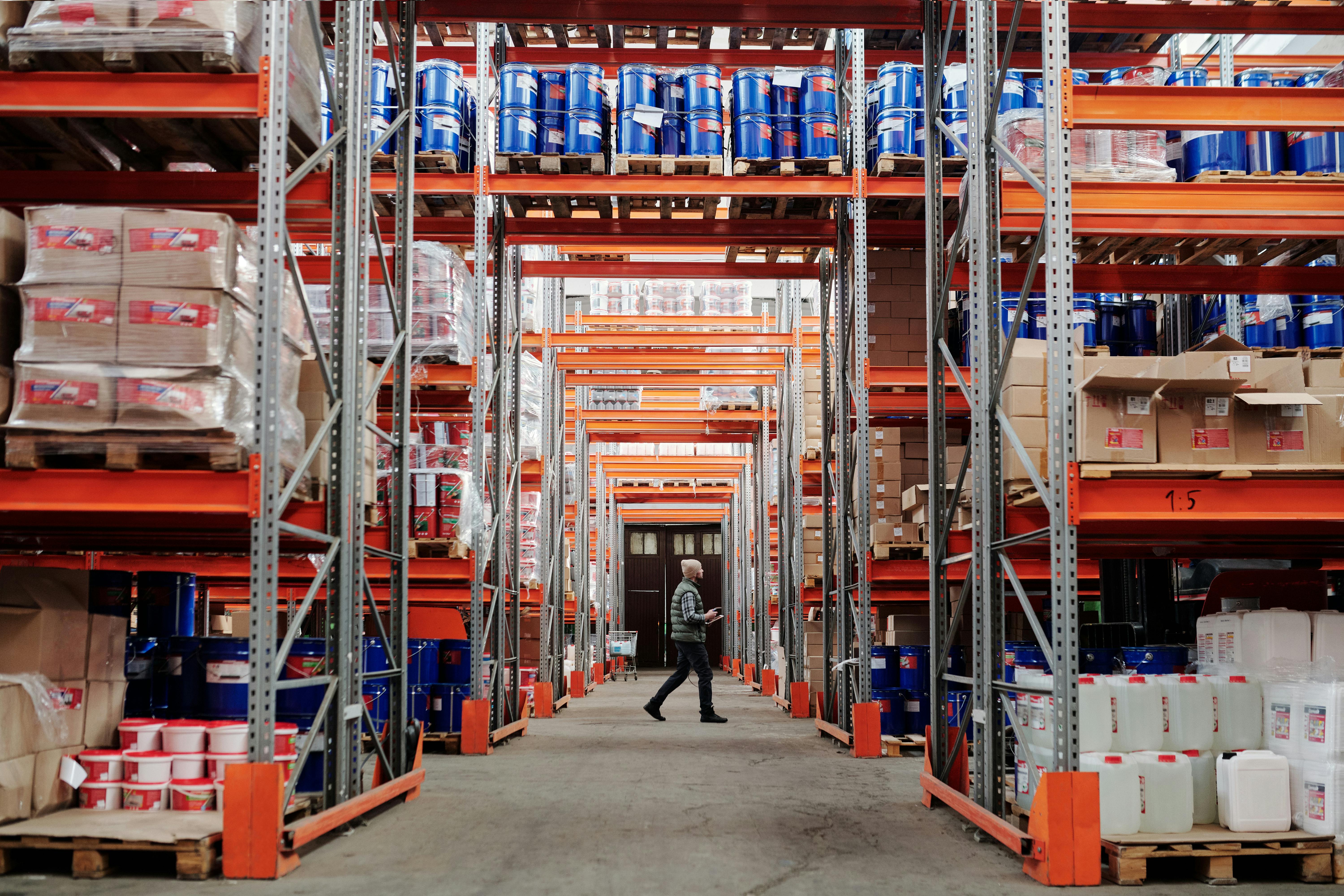
What AI Can and Can’t Do—The Current Reality
Let’s be blunt: warehouse AI is not a “hands-off” robot taking over your operation. Here’s our everyday, boots-on-ground view of what works:
- AI needs clean, structured data: If your invoices, pick files, ASN data, or inventory counts are a mess, even the smartest algorithms will misfire. This is where seamless EDI/WMS/ERP integration (like the Octasyn approach) matters: feeding the AI with accurate, timely data is step one.
- Short-term optimization is possible, long-term strategy still needs humans: While AI can recommend which SKUs to move forward this week, it still benefits from operators who know when promotions or new retailer launches are coming and can inform the system with this context.
- No "one size fits all": Algorithms need to be tailored to your product mix, order profiles, carrier requirements, and physical site constraints. For example, a solution tuned for Razor USA’s scooter shipments operates very differently than what’s needed for Nakoma’s high-velocity consumer goods packaged for mass retail. Rigidity kills results.
- Peak season stress-testing is non-negotiable: Any AI or automation you put in place must hold up when your shipping volume triples. We’ve seen AI-driven slotting maintain speed and accuracy for clients processing 10,000+ orders daily at peak with customizable workflows and real-time EDI updates.
Connecting Dynamic Slotting With the Rest of Order Fulfillment
AI-based slotting and pick path optimization isn’t a bolt-on technology. The benefits multiply when they’re integrated with your EDI, compliance, and shipping workflows. Here’s how we approach it in real operations:
- Automated labeling and compliance: Once slotting and picking are optimized, every label (UCC-128, GS1, FedEx, UPS) and ASN must be generated automatically and compliantly.
- Staging orders for optimized release: Dynamic slotting can schedule when to release batches based on dock and carrier performance, reducing wait times and improving on-time shipping—even during surges.
- Feedback Loops: The best systems ingest data from EDI acknowledgements, carrier scans, and returns, feeding it back into both slotting/pick path logic and carrier selection for future orders. This helps achieve what we’ve described in turning shipping data into actionable insights.

Practical Steps for Implementing Dynamic Slotting and Pick Path AI in Your Warehouse
- Audit Your Data: Ensure your product master, pick history, ASN, and inventory feeds are accurate and ideally standardized across EDI, ERP, and WMS systems. Data quality is the non-negotiable backbone of AI-driven warehouse operations.
- Define measurable goals for optimization: Going beyond labor reduction, consider what order accuracy, compliance, or dock-to-stock times you need to achieve. This ensures your AI rollout is tied to business ROI, not just technology adoption.
- Integrate slotting logic with the rest of your fulfillment architecture: Slotting and pick path logic works best when feeding into labeling, packing, EDI communications, and carrier selection. Look for solutions (like Octasyn’s customizable workflow engine) that support these connections out of the box.
- Pilot, measure, scale: Run short-cycle pilots with your actual orders and seasonal SKUs. Store every pain point and success. Use this feedback to refine both slotting parameters and picker training.
Performance Gains You Can Expect—Based on Real Operations
While every warehouse is unique, here is what we've seen as realistic outcomes with AI-driven dynamic slotting and optimized pick paths—for operations integrating EDI and compliance at scale:
- Up to 75% reduction in manual slotting decisions and related labor
- 20%+ improvement in fulfillment speed
- Increased order accuracy (metrics as high as 99.9% in high-volume environments)
- Full EDI compliance without introducing new choke points
- Faster recovery from product mix changes or seasonal spikes
Our experience shows these numbers are sustainable when the solution is genuinely tailored and regularly updated, supporting evolving EDI needs and omnichannel mixes.
Red Flags—What to Watch Out for When Deploying Warehouse AI
- Black box logic you can’t audit or retrain: Transparency matters. You need to know why the AI made a slotting decision to stay compliant and to explain any errors to auditors or trading partners.
- Solutions that ignore EDI reality: The best dynamic slotting AI incorporates EDI ship dates, compliance windows, and chargeback risks into route and slot choices, not purely SKU velocity or warehouse layout.
- Poor integration between systems: Any break in the communication chain—whether between WMS, order management, or labeling—can turn optimization into chaos overnight.
For more on building a strong, integrated architecture, see our post on ending data silos in fulfillment.
The Octasyn Perspective: Customization and Continuous Improvement
At Octasyn, our approach to AI slotting and pick path optimization is rooted in flexibility. We’ve seen customers scale from a few daily pallets to 10,000+ shipping events in peaks without skipping a beat—but only when:
- AI logic can be tuned to retailer and channel-specific demands
- Full-stack data integration enables transparent, real-time decision making
- Process automation is supported by robust error handling (especially for EDI exceptions and compliance alerts)
This continuous improvement mindset is what keeps operations nimble—never locked in by static setups or inflexible software.
What’s Next for Dynamic Slotting and Pick Path Optimization?
We’re not looking for silver bullets or chasing hype. Instead, we focus on incrementally smarter, more automated, and deeply integrated ways to handle fluctuating product mixes, complex labeling, and conflicting retailer rules. The lessons from the past decade are clear: the winning warehouses are those that use AI as an assistive tool—one that learns but is always under your control, continuously evolving as your business grows.
Further Reading
If you’re interested in taking a deeper dive into how data analytics and real-time optimization can transform warehouse operations:
- Leveraging Real-Time Analytics in Warehouse Management
- Why EDI Automation is Critical for Fast-Growing Brands
- Common Retail EDI Chargebacks and How to Prevent Them
Whether your fulfillment needs are growing exponentially or you’re preparing for another peak season crunch, we invite you to learn more about how Octasyn can help you make slotting and pick path optimization not just an aspiration, but your everyday reality. Discover more about our customizable, integrated logistics solutions today.








.png)


